Hawaiian History
& Culture
Hawaiian
Tiki Gods
Hawaiian Tattoos
|
|
|
| Tribal Hawaiian Tattoos | Hawaiian Flower Tattoos |
Hawaiian Tattoos
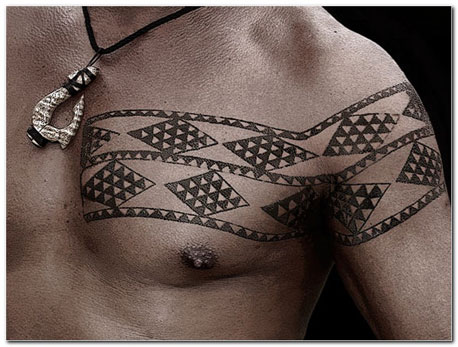
The ancient Hawaiians, like other tribal Polynesians such as the Maori, commonly tattooed their bodies. Both Hawaiian men and women were tattooed with bold, black tattoos that often covered large portions of their skin. In fact the English word tattoo, like taboo, comes to us from the Polynesian languages such as Tahitian (tatau), Samoan (also tatau) and Marquesan (tatu). Captain James Cook, who discovered the Hawaiian Islands, introduced the word to English speakers in his account of a voyage around the world from 1768 to 1771. European sailors began to get tattoos as well, a practice that is associated with sailors to this day. The Hawaiian word for tattoo is Kakau.
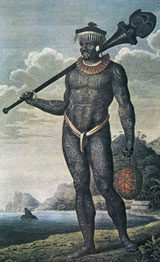
Traditional Tribal Ink
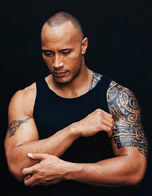
The Rock Sports a Traditional Design
from Hawaii
I categorize Hawaiian tattoos into two areas, tribal Hawaiian tattoos and modern Hawaiian tattoos. Tribal Hawaiian Tattoos are done in black and feature a style that dates back to the native Hawaiians ancient ancestors. It features traditional designs and motifs that were found on warriors, nobles and common Hawaiians when the Europeans arrived.
Modern Hawaiian tattoos feature a variety of Polynesian themed designs and frequently give a nod to tribal Hawaiian designs. Modern designs can have color and a wide variety of subjects. Examples are Hawaiian Flower Tattoos, tiki gods and modified tribal designs like Hawaiian arm bands that mix popular culture and traditional tribal elements.
Hawaiian tattoos have become more popular since the 1990's, this isn't surprising since tribal tattoos and tattooing in general has become more popular with landlubbers. That combined with the recent rebirth of tiki culture's popularity do to its retro appeal seem to have made the popularity of Hawaiian tattoos inevitable.
Related Pages:
Tribal Hawaiian Tattoos
Traditional Tribal Hawaiian
Hawaiian Flower Tattoos
Tradiational and Modern